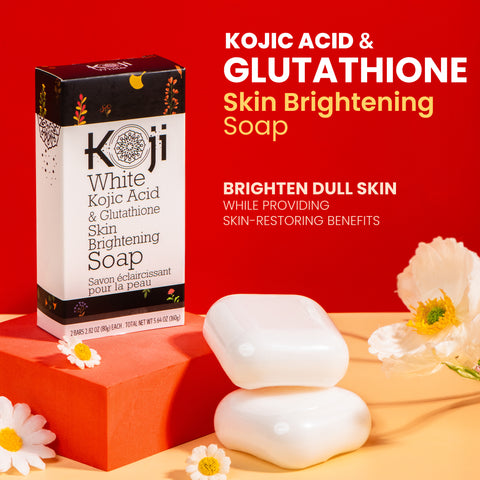
If you’ve used Koji White soap and noticed that it doesn’t create a huge cloud of foam, you may wonder whether you’re using it incorrectly, whether something is wrong with the bar, or whether the soap is working at all.
It’s a reasonable question. Many of us have learned to associate lots of bubbles with a thorough clean.
But visible foam and cleansing ability aren’t the same thing.
Some cleansers produce a thick, fluffy lather. Others create a lighter layer of bubbles. The amount you see can depend on the formula, your water, how much water you use, and even how you work the product between your hands.
So if you’re wondering why doesn’t kojic acid soap lather, it helps to understand what those bubbles actually mean.

Does More Foam Mean Better Cleansing?
Not necessarily.
Foam is an important part of the sensory experience of using many soaps and cleansers. It spreads across the skin, makes the product easy to see, and can make washing feel more satisfying.
That doesn’t mean the number of bubbles determines how clean your skin gets.
Cleansing ingredients known as surfactants help water interact with substances such as oils and residue so they can be lifted from the skin and rinsed away. Different cleansing systems can behave differently when mixed with water and air.
Some produce abundant foam. Others produce considerably less.
In other words, when asking does soap need to foam to clean, the answer is no. A cleanser can perform its cleansing function without creating a mountain of visible bubbles.
Likewise, a cleanser that creates more foam isn’t automatically better for your skin or more effective for your specific skincare goals.
What Actually Creates Lather in Soap?
Lather is created when a cleansing product is combined with water, air, and friction. But the final amount of foam can vary substantially.
Several things can affect kojic acid soap lather, including:
- The cleansing ingredients or surfactants in the formula
- The overall balance of oils and other ingredients
- The mineral content of your water
- How much water you use
- How long you work the bar between your hands
- Whether you use your hands, a washcloth, or another cleansing tool
- Product condition and storage
This is why two people using the same type of soap may not necessarily see exactly the same lather.
It’s also important not to make assumptions about a particular product based on foam alone.

Without that product-specific information, it would be misleading to say that Koji White soap lathers less because of a particular surfactant, ingredient percentage, manufacturing process, pH, or formulation decision.
Why Might Koji White Soap Produce Less Foam?
If you’re experiencing kojic acid soap not foaming as much as expected, there are several possible explanations.
1. The Formulation
Different soaps and cleansers naturally create different amounts and types of lather. Formulators can balance many characteristics, including cleansing, texture, ingredients, skin feel, and the way a product behaves when exposed to water.
That means maximum foam isn’t automatically the goal of every cleanser.
For Koji White specifically, however, the exact formulation-related reason for its characteristic lather needs to be confirmed before making a more specific claim.
2. Hard Water
Your water can make a noticeable difference.
Hard water contains relatively high levels of dissolved minerals, particularly calcium and magnesium. These minerals can interfere with how traditional soap lathers, so you may get fewer visible bubbles.
That means someone using the same bar in another location, or even after moving to a new home, may notice a different washing experience.
If your soap suddenly seems harder to lather, your water is one factor worth considering.
3. Too Much or Too Little Water
The amount of water you use also matters.
If your hands or the bar are barely wet, it can be difficult to work the product into a lather. At the other extreme, constantly running the bar under water can wash product away before you’ve had a chance to build much lather.
Try wetting both your hands and the bar, then working the bar between your hands for several seconds.
4. Your Application Method
How you apply the product can change what you see.
Rubbing a bar directly over wet skin may look different from first rubbing it between wet hands and creating a light lather before applying it.
Neither a bigger nor smaller cloud of bubbles tells you by itself how well the product is performing.
5. Your Expectations From High-Foaming Cleansers
Your comparison point matters too.
If you’re used to shower gels or cleansing products that produce lots of foam quickly, a low lather soap or moderate-lather bar can feel unusual.
The difference may be especially noticeable even when you’re using enough product.
Rather than using bubble volume as your main measure, pay attention to the product’s official directions and how your skin responds.
Is Low Lather a Sign That the Soap Is Defective?
Low or moderate lather by itself isn’t enough to conclude that a soap is defective.
Lather can change because of water conditions, application technique, and the product’s formulation.
There are other signs that are more useful when evaluating whether something may be wrong with a particular bar. These can include damaged or compromised packaging, an unusual odor, or a major unexpected change in the product’s appearance or texture.
You should also check any shelf-life, expiration, storage, or batch information provided with the product.

If something about your bar seems substantially different from what Koji White specifies for the product, contact customer service rather than relying on lather alone to judge its quality.
Does Koji White Soap Still Work If It Doesn’t Foam Much?
Cleansing performance and foam volume are separate characteristics. Seeing fewer bubbles doesn’t, by itself, tell you whether a cleanser is doing its job.
There’s another important distinction if you’re interested in kojic acid soap for dark spots.
People may choose products containing kojic acid as part of a skincare routine focused on the appearance of dark spots or uneven-looking skin tone. Any benefit associated with a particular product depends on factors such as its complete formulation, how it’s used, consistency, and your skin’s tolerance.
It doesn’t depend on creating the biggest possible lather.
More foam shouldn’t be interpreted as more kojic acid activity or better dark-spot results.
For a closer look at what kojic acid can and can’t realistically do, read Does Kojic Acid Soap Work for Dark Spots and Hyperpigmentation?
How to Get the Best Lather From Koji White Soap
If you’d like to improve your lather without aggressively scrubbing your skin, start with your technique.
- Wet your hands and the soap with lukewarm water.
- Rub the bar gently between your wet hands for several seconds.
- Work the product into a light lather.
- Apply the lather gently to the intended area.
- Follow Koji White’s official usage and contact-time directions.
- Rinse thoroughly.
- Follow with moisturizer as appropriate for your skin and routine.
Don’t leave the product on longer simply because the lather looks light. More time and more bubbles aren’t interchangeable, and neither should replace the product’s directions.

Should You Use a Loofah or Washcloth to Make More Foam?
A washcloth, loofah, or similar tool can introduce additional friction and air, which may help some products create more visible lather.
But there’s a tradeoff: more friction isn’t necessarily better for your skin.
Aggressive scrubbing can contribute to irritation. For people concerned about post-inflammatory hyperpigmentation, avoiding unnecessary irritation is especially relevant because skin inflammation or injury can contribute to new or more noticeable discoloration.
So don’t scrub harder just to prove the soap is working.
If you use a cleansing tool, keep the pressure gentle and pay attention to how your skin responds.
What If My Skin Feels Dry After Using the Soap?
How your skin feels after cleansing can depend on several factors, including:
- Your skin type
- How often you cleanse
- Other active ingredients in your routine
- Water temperature
- Climate and environmental conditions
- The other products you use before and after cleansing
If your skin tends to feel dry, avoid very hot water and excessive cleansing. Follow the product directions rather than using the soap more often in an attempt to speed up results, and consider following cleansing with a moisturizer that works for your skin.
If you experience significant or persistent irritation, stop using the product and seek advice from an appropriate healthcare professional.

Low Lather vs. High Lather: Which Is Better?
Neither category is universally better.
The right cleanser depends on its formula, how it’s used, your skincare needs, and how your skin tolerates it.
|
Factor |
Lower/Moderate Lather |
High Lather |
|---|---|---|
|
Visible foam |
Less visible foam |
More visible foam |
|
Cleansing ability |
Depends on the formula |
Depends on the formula |
|
User experience |
May feel lighter or less bubbly |
May feel more foamy or bubbly |
|
Does more foam mean better results? |
No |
No |
|
What matters most |
Formula + proper use + skin tolerance |
Formula + proper use + skin tolerance |
Foam can change the experience of cleansing without serving as a simple score for the effectiveness of cleansing.
The Bigger Question: Are You Using the Soap Correctly?
Instead of trying to create as many bubbles as possible, focus on the parts of your routine that actually matter.
Follow the product’s directions and recommended frequency. Avoid aggressive scrubbing. Rinse as directed, moisturize according to your skin’s needs, and pay attention to signs of irritation.
If dark spots are part of your skincare goals, sun protection is also an important part of managing hyperpigmentation and preventing UV exposure from contributing to further discoloration.
Most importantly, watch how your own skin responds rather than treating lather as your performance metric.
If you’re trying to put several products together without overdoing it, read How to Build a Skincare Routine for Dark Spots

Final Thoughts
So, why doesn’t kojic acid soap lather as much as you might expect?
There isn’t one universal answer.
Water hardness, the amount of water you’re using, your application method, the formula itself, and your expectations from other cleansers can all affect the amount of foam you see.
The important points are simple:
- More foam doesn’t automatically mean better cleansing.
- Several factors influence how much a soap lathers.
- Low or moderate lather by itself doesn’t prove that a product is defective.
- Proper use and skin tolerance matter more than maximizing bubble volume.
- More lather shouldn’t be interpreted as greater kojic acid effectiveness.
Wondering whether kojic acid soap can fit into your dark-spot routine? Learn how kojic acid soap works, what to realistically expect, and how to use it without overdoing your routine.
Frequently Asked Questions
Why doesn’t Koji White soap foam much?
Several factors can affect lather, including water hardness, the amount of water used, application technique, and the product’s formulation.
Does kojic acid soap need to lather to work?
A large amount of visible lather isn’t required for cleansing. Foam volume also shouldn’t be used as a measure of kojic acid activity or expected skincare results.
Does more foam mean soap cleans better?
No. More visible foam doesn’t automatically mean better cleansing. Cleansing performance depends on the formula and how the product is used, not simply how many bubbles it creates.
Can hard water reduce soap lather?
Yes. Minerals such as calcium and magnesium in hard water can interfere with the lathering behavior of traditional soap. The same bar may therefore behave differently depending on the water being used.
How can I make Koji White soap lather better?
Try wetting your hands and the bar with lukewarm water, then gently rubbing the bar between your hands for several seconds to build a light lather before application. Follow Koji White’s official directions rather than scrubbing harder to generate extra foam.
Is my soap defective if it doesn’t foam?
Not necessarily. Low lather alone isn’t enough to identify a defective product. If you notice significant unexpected changes in odor, appearance, texture, packaging, or other product characteristics, follow Koji White’s official quality guidance.
Should I use a loofah with kojic acid soap?
A loofah or washcloth can generate additional friction and may create more visible foam, but aggressive scrubbing can irritate skin. If you use a cleansing tool, keep the pressure gentle and follow the product’s directions.
How should I use Koji White soap for dark spots?
Follow the official Koji White usage instructions, including its recommended frequency and contact time. Don’t leave the soap on longer or scrub more aggressively in an attempt to increase results.
does kojic acid soap work for dark spots?
choosing a soap for hyperpigmentation
understanding hyperpigmentation in melanin-rich skin
build a skincare routine for dark spots