Hyperpigmentation is one of the most common skincare concerns worldwide. Dark spots can appear after acne breakouts, sun exposure, inflammation, or hormonal changes, leaving the skin tone looking uneven and patchy.

The most effective way to improve discoloration is through a consistent skincare routine for dark spots that combines gentle care, targeted ingredients, and daily sun protection. Instead of relying on one miracle product, a structured routine works gradually to fade existing spots while preventing new ones from forming. This guide explains how to build a practical and beginner-friendly routine for hyperpigmentation that works for most skin types.
Understanding Hyperpigmentation
Hyperpigmentation occurs when the skin produces excess melanin, the pigment responsible for skin color. When melanin production becomes uneven, darker patches or spots develop on certain areas of the skin.
Several factors can trigger this process:
Post-inflammatory hyperpigmentation (PIH)
This type of discoloration appears after the skin experiences inflammation. Acne, insect bites, cuts, or irritation can stimulate melanin production during healing, leaving behind dark marks once the skin recovers.

Sun exposure
Ultraviolet (UV) radiation stimulates melanocytes, the cells responsible for melanin production. Without proper sun protection, the skin produces more pigment, which can darken existing spots or create new ones.
Hormonal changes
Hormonal fluctuations during pregnancy or due to birth control can trigger melasma, a form of hyperpigmentation that typically appears on the cheeks, forehead, or upper lip.
Skin irritation
Using harsh skincare products or over-exfoliating can irritate the skin barrier. When the skin becomes inflamed, it may respond by producing excess melanin.
People with melanin-rich skin tones may be more prone to hyperpigmentation because their melanocytes are naturally more active. However, this also means that with the right melanin skin routine, the skin can recover beautifully with proper care.
Understanding the cause of your dark spots helps you choose the right treatments and avoid habits that worsen discoloration.
Morning Routine for Dark Spots
A well-structured morning routine focuses on protecting the skin and preventing further pigmentation. Sun exposure can worsen dark spots, so daytime skincare should prioritize antioxidant protection and sunscreen.

1. Gentle Cleanser
Start the day with a mild, non-stripping cleanser that removes sweat, oil, and overnight skincare residue.
Look for cleansers with soothing ingredients such as:
- glycerin
- aloe vera
- ceramides
- green tea extract
Avoid harsh foaming cleansers with high alcohol content, as these can weaken the skin barrier and trigger irritation.
The goal is to cleanse without disrupting the skin’s natural balance.
2. Antioxidant Serum (Vitamin C)
A vitamin C serum is one of the most helpful steps in a dark spots routine.
Vitamin C helps:
- brighten dull skin
- reduce the appearance of hyperpigmentation
- neutralize free radicals caused by sun exposure
- improve overall skin tone
When used consistently, vitamin C can gradually lighten dark spots while protecting the skin from environmental damage.
Beginners should look for 10–15% vitamin C formulas, which are effective yet gentle enough for daily use. Apply the serum after cleansing and allow it to absorb before the next step.
3. Moisturizer
Moisturizing is essential for maintaining a healthy skin barrier. When the skin is properly hydrated, it can repair itself more effectively.
Choose a lightweight moisturizer containing:
- hyaluronic acid
- ceramides
- niacinamide
- squalane
Niacinamide is especially beneficial in a skincare routine for dark spots because it helps regulate melanin production and reduce uneven pigmentation.
Even oily skin types should not skip moisturizer. Balanced hydration helps prevent excess oil production and irritation.
4. Broad-Spectrum Sunscreen
Sunscreen is the most important step in any routine for hyperpigmentation. Without daily sun protection, dark spots will continue to darken, and treatment products will struggle to work effectively. Choose a broad-spectrum sunscreen with SPF 30 or higher that protects against both UVA and UVB rays.
Helpful sunscreen types include:
- mineral sunscreens with zinc oxide
- lightweight gel sunscreens
- moisturizing sunscreen lotions
Apply sunscreen generously and reapply every two to three hours when exposed to sunlight.
For people following a melanin skin routine, sunscreen is still essential. Darker skin tones may not burn as easily, but they can still experience worsening hyperpigmentation from UV exposure.
Evening Routine for Dark Spots
Nighttime skincare focuses on repairing the skin and targeting discoloration with treatment ingredients.
1. Cleanser
Start with a gentle cleanser to remove sunscreen, makeup, dirt, and pollution accumulated during the day.
If wearing makeup or heavy sunscreen, consider double cleansing:
- oil-based cleanser or cleansing balm
- gentle water-based cleanser

This ensures that the skin is fully clean before applying treatment products.
Koji White Kojic Acid Skin Brightening Face Wash
2. Treatment Ingredients
This step is where targeted products help fade dark spots and improve overall skin tone.
Common ingredients used in a dark spots routine include:
Kojic Acid
Kojic acid works by inhibiting the enzyme responsible for melanin production. It is widely used in brightening serums and creams designed for hyperpigmentation.
Tranexamic Acid
Tranexamic acid is a popular ingredient in modern pigmentation treatments. It helps reduce discoloration associated with sun exposure and melasma.
Koji White 2% Kojic Acid Dipalmitate + 3% Tranexamic Acid Face Serum - Unscented
Niacinamide
Niacinamide is a gentle yet powerful ingredient that helps improve uneven skin tone while strengthening the skin barrier.
Azelaic Acid
Often recommended for acne-related hyperpigmentation, azelaic acid helps reduce inflammation and pigmentation at the same time.
When starting a routine for hyperpigmentation, it is best to introduce one treatment ingredient at a time. This helps prevent irritation and allows you to see what works best for your skin.
3. Moisturizer
Finish the evening routine with a nourishing moisturizer to support overnight skin repair.
At night, you may prefer a slightly richer formula containing:
- ceramides
- peptides
- shea butter
- panthenol

These ingredients help calm the skin and restore hydration after using treatment products. Well-hydrated skin heals more efficiently, which supports the fading of dark spots over time.
Koji White Radiant Tone Correcting Cream - Face Moisturizer, Unscented, Vegan
Weekly Skincare Habits
In addition to daily routines, certain weekly habits can support your skincare routine for dark spots.
Gentle Exfoliation
Exfoliation removes dead skin cells that can make dark spots appear more noticeable.
Instead of harsh scrubs, choose chemical exfoliants such as:
- lactic acid
- mandelic acid
- polyhydroxy acids (PHA)

These ingredients gently loosen dead skin cells without causing micro-tears in the skin. Exfoliating once or twice per week is usually enough for most people. Over-exfoliating can worsen hyperpigmentation by irritating the skin.
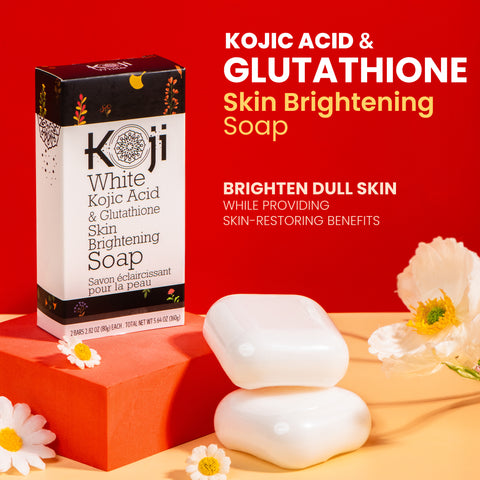
Koji White Kojic Acid Bump Eraser Body Scrub Soap
Hydrating Masks
Hydration supports the skin’s natural healing process. Using a hydrating mask once a week can help maintain a healthy skin barrier. Look for masks containing:
- hyaluronic acid
- aloe vera
- centella asiatica
- glycerin
These ingredients calm the skin and reduce inflammation that can lead to pigmentation.
Common Mistakes When Treating Dark Spots
Many people unintentionally make mistakes that slow their progress when treating hyperpigmentation.
Over-Exfoliating
Excessive exfoliation damages the skin barrier and causes irritation. Instead of improving dark spots, it can trigger more pigmentation. Stick to gentle exfoliation once or twice a week.
Skipping Sunscreen
Without sunscreen, UV exposure will continue stimulating melanin production. This makes dark spots darker and prevents them from fading. Daily sunscreen use is essential for any routine for hyperpigmentation.
Using Too Many Active Ingredients
Layering multiple strong ingredients such as retinoids, acids, and brightening agents an overwhelm the skin. A better strategy is simplicity and consistency. Use a few well chosen ingredients and give them time to work.
Expecting Instant Results
Hyperpigmentation treatments take time. Most people begin to notice improvement after six to twelve weeks of consistent skincare. Patience is a key part of any successful dark spots routine.
Body Routine for Hyperpigmentation
Hyperpigmentation does not only appear on the face. Areas such as inner thighs, underarms, knees, and elbows commonly develop darker patches due to friction, shaving, or hormonal factors.
A body routine can help gradually improve these areas.
Gentle Cleansing
Use a mild body wash that does not strip the skin. Avoid harsh scrubs that can irritate sensitive areas.
Targeted Treatments
Products containing ingredients such as:
- kojic acid
- alpha arbutin
- niacinamide
- lactic acid

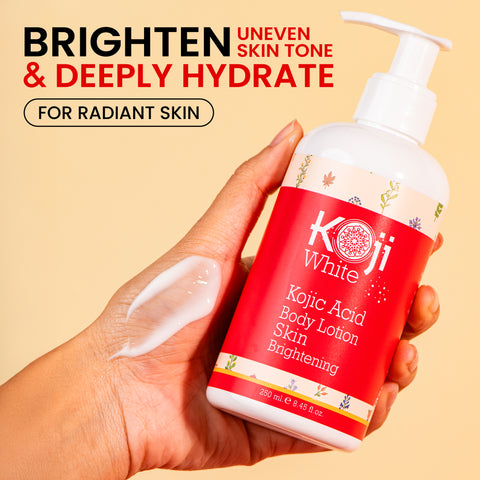
can help brighten body hyperpigmentation over time. Body lotions or serums formulated for discoloration can be applied daily.
Moisturizing
Thicker skin areas such as knees and elbows benefit from deeply hydrating creams containing:
- urea
- shea butter
- glycerin
Hydration helps soften the skin and improve overall tone.
Sun Protection for the Body
If hyperpigmented areas are exposed to sunlight, applying sunscreen can help prevent further darkening. This is especially important for areas like the shoulders, chest, or legs.
Final Thoughts
Building an effective skincare routine for dark spots requires consistency, patience, and gentle care.
Rather than relying on aggressive treatments, the most successful routines focus on three key principles: protecting the skin with sunscreen, supporting the skin barrier with hydration, and using targeted ingredients that gradually reduce excess pigmentation.
Hyperpigmentation rarely fades overnight. However, with a structured routine and steady habits, the skin can gradually become more even, balanced, and radiant.
Remember that skincare is a long-term process. Small daily steps—cleansing, moisturizing, and protecting your skin—can make a meaningful difference over time.
FAQ: Skincare Routine for Hyperpigmentation
How long does it take for dark spots to fade?
Most dark spots take six to twelve weeks of consistent treatment to noticeably fade. Deeper pigmentation or melasma may take several months.
Can dark spots disappear completely?
Some hyperpigmentation can fade significantly or disappear entirely with proper skincare. However, certain types of pigmentation may require professional treatments such as chemical peels or laser therapy.
Is vitamin C necessary in a dark spots routine?
Vitamin C is not mandatory, but it is highly beneficial. It helps brighten skin, reduce pigmentation, and protect against environmental damage.
Can people with sensitive skin treat hyperpigmentation?
Yes. People with sensitive skin should choose gentle ingredients such as niacinamide, azelaic acid, or mandelic acid and introduce new products slowly.
Should I exfoliate daily for dark spots?
No. Daily exfoliation can irritate the skin and worsen pigmentation. Most people benefit from exfoliating one to two times per week.
Can body hyperpigmentation be treated the same way as facial pigmentation?
The principles are similar, but body skin is usually thicker. Products designed specifically for the body may contain stronger exfoliating or brightening ingredients.
Is sunscreen necessary indoors?
Yes. UVA rays can penetrate windows and still contribute to hyperpigmentation. Applying sunscreen during the day helps maintain progress in your skincare routine for dark spots.
Related Articles