Hyperpigmentation is one of the most common skincare concerns across all skin tones. For many people, it appears as dark spots, patches of uneven skin tone, or marks left behind after acne or irritation.

While the skin often heals from breakouts or inflammation, the discoloration that follows can linger much longer. This is one of the reasons hyperpigmentation can feel frustrating. The mark you see today may have been triggered weeks or even months earlier.
For people with melanin-rich skin, hyperpigmentation can sometimes be more noticeable and persistent. Even small amounts of irritation can lead to visible dark spots.
The good news is that many forms of hyperpigmentation can gradually improve with the right approach. A consistent routine, thoughtful ingredient choices, and daily sun protection can help support skin that looks more even over time.
- In this guide, we’ll break down:
- what hyperpigmentation actually is
- what causes dark spots
- why melanin-rich skin can be more prone to discoloration
- the best ingredients for hyperpigmentation
- how to build a skincare routine that supports more even-looking skin
What Is Hyperpigmentation?
Hyperpigmentation is a common skin condition where certain areas of the skin become darker than the surrounding skin.
This happens when the skin produces excess melanin, the natural pigment responsible for skin color. When melanin production increases in a specific area, it can create spots or patches that appear darker than the rest of the skin.

Hyperpigmentation can appear in many forms, including:
- small dark spots
- larger patches of discoloration
- uneven skin tone
- marks left behind after acne
It’s important to understand that hyperpigmentation is different from temporary redness or dullness.
For example:
- Redness usually comes from inflammation and fades relatively quickly.
- Dull skin may simply need hydration or exfoliation.
- Hyperpigmentation, on the other hand, involves pigment changes and often takes longer to improve.
Because melanin production is involved, these marks may take weeks or months to gradually fade.
What Causes Hyperpigmentation?
Hyperpigmentation can develop for several different reasons. Often, it is the skin’s natural response to inflammation, irritation, or sun exposure.
Understanding the cause can help you choose the right skincare habits to support clearer-looking skin.
Sun Exposure
One of the most common triggers of hyperpigmentation is sun exposure.
Ultraviolet (UV) rays stimulate melanin production as the skin attempts to protect itself from damage. Over time, this can lead to:
- sun spots
- uneven skin tone
- dark patches
Even existing dark spots can become darker with continued sun exposure. This is why daily sunscreen is one of the most important habits when addressing hyperpigmentation.
Post-Acne Marks (Post-Inflammatory Hyperpigmentation)
Many people notice dark marks left behind after a breakout heals.
This is known as post-inflammatory hyperpigmentation, often abbreviated as PIH. When the skin experiences inflammation from acne, the healing process can trigger excess melanin production.
The result is a dark spot that remains after the blemish disappears.
Skin Irritation or Trauma
Any form of irritation can lead to hyperpigmentation in some skin types.
Examples include:
- aggressive exfoliation
- harsh skincare products
- burns or cuts
- waxing or shaving irritation
When the skin becomes inflamed, pigment-producing cells may become overactive.
Hormonal Changes
Hormonal fluctuations can also affect melanin production. In some cases, this can lead to melasma, a form of hyperpigmentation that often appears as larger patches on the face.
Hormonal changes during pregnancy, birth control use, or other hormonal shifts may contribute to this condition.
Picking or Touching the Skin
Picking at acne or scabs can increase inflammation and delay healing. This makes it more likely that a dark mark will form after the skin repairs itself.
Even small blemishes can leave noticeable discoloration when they are repeatedly picked or squeezed.
Friction on the Body
Hyperpigmentation does not only affect the face. Friction and repeated irritation can cause darkened areas on the body, especially in places like:
- inner thighs
- underarms
- elbows
- knees
- neck

Clothing friction, shaving, or dryness can all contribute to these areas developing uneven tone over time.
Types of Hyperpigmentation
Not all hyperpigmentation looks the same. Understanding the different types can make it easier to recognize what may be happening with your skin.
Post-Inflammatory Hyperpigmentation (PIH)
Post-inflammatory hyperpigmentation is one of the most common forms of discoloration, especially for melanin-rich skin.
It occurs when inflammation triggers excess melanin production. This often follows:
- acne
- cuts
- irritation
- insect bites
- skin treatments
PIH usually appears as flat dark spots that gradually fade over time.
Sun-Induced Discoloration
Sun exposure can cause pigment spots to develop over the years. These spots may appear on areas that receive frequent sunlight, such as:
- the face
- shoulders
- chest
- hands
Sun-induced spots can deepen with continued exposure if the skin is not protected.
Melasma
Melasma appears as larger patches of discoloration, often on the cheeks, forehead, or upper lip.
It is often linked to hormonal changes and sun exposure. Unlike smaller dark spots, melasma tends to form broader areas of uneven pigmentation.
Body Hyperpigmentation
Discoloration on the body can develop due to friction, irritation, or dryness. Areas that experience repeated rubbing or pressure may gradually darken over time.
Gentle exfoliation, moisturizing, and consistent skincare can often help improve the appearance of these areas.

Why Hyperpigmentation Can Be Different on Melanin Rich Skin
Melanin-rich skin has unique strengths. Higher melanin levels can provide some natural protection against UV damage and premature aging.
However, this same melanin activity can also make the skin more reactive to inflammation.
When irritation occurs, the pigment-producing cells in the skin may respond by producing more melanin. As a result, even small triggers can sometimes leave visible marks.
For this reason, people with melanin-rich skin often benefit from a skincare approach that focuses on:
- gentle ingredients
- avoiding unnecessary irritation
- consistent routines
- gradual improvement rather than aggressive treatments
Harsh scrubs, over-exfoliation, or using too many active ingredients at once can sometimes make hyperpigmentation worse.
A patient, balanced routine tends to support better long-term results.
Best Ingredients for Hyperpigmentation
Certain skincare ingredients are commonly used to help improve the appearance of dark spots and uneven skin tone. These ingredients work in different ways, such as supporting gentle exfoliation or helping regulate melanin production.
Kojic Acid
Kojic acid is a well-known ingredient used in many products designed for uneven skin tone.
It works by helping slow the production of melanin in the skin. Because of this, it is often included in cleansers, serums, and soaps that target dark spots. People often choose kojic acid when they want to support a routine focused on improving the look of discoloration.

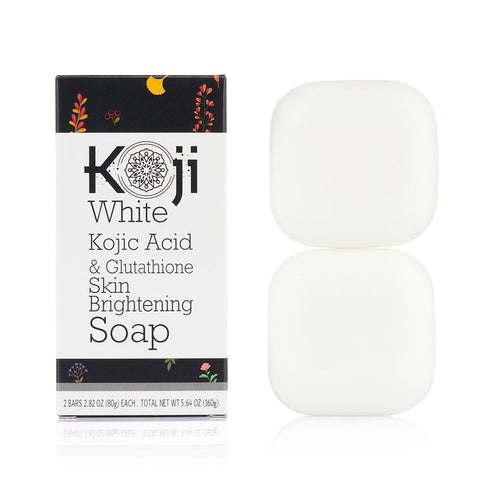
Brands like Koji White build many of their formulations around this ingredient for that reason.
Tranexamic Acid
Tranexamic acid has become increasingly popular in skincare for discoloration concerns.
It is often used in products designed to support a more balanced-looking complexion and may be particularly helpful in routines targeting stubborn dark spots or melasma.
This ingredient is typically found in serums or treatment products.

Niacinamide
Niacinamide, a form of vitamin B3, is widely used in skincare because it offers multiple benefits.
It may help:
- support skin barrier health
- improve the look of uneven skin tone
- reduce the appearance of dark spots over time
Niacinamide is generally well tolerated by many skin types, making it a common ingredient in daily skincare products.
Vitamin C
Vitamin C is an antioxidant that helps protect the skin from environmental stressors.
It is also widely used to support brighter-looking skin and improve the appearance of uneven tone. Many people include vitamin C in their morning routine to complement sunscreen.

AHAs (Glycolic Acid and Lactic Acid)
Alpha hydroxy acids (AHAs) help exfoliate the skin by removing dead skin cells from the surface.
This can gradually improve the appearance of:
- dull skin
- uneven texture
- discoloration
Glycolic acid and lactic acid are two commonly used AHAs. Because exfoliation can increase sensitivity, it is best introduced slowly into a routine.
Turmeric Extract
Turmeric extract has long been used in skincare traditions and is now included in modern formulations as well.
It is valued for its antioxidant properties and is often used in products designed to support a more even-looking complexion.

Ingredients and Habits That Can Make Hyperpigmentation Worse
Sometimes, skincare habits intended to fix dark spots can actually make them worse.
Here are a few things to be mindful of.
Skipping Sunscreen
Sun exposure can deepen existing hyperpigmentation and trigger new dark spots. Daily sunscreen is one of the most effective ways to support a routine focused on uneven skin tone.
Over-Exfoliating
Exfoliation can help improve skin texture, but too much can irritate the skin and lead to more discoloration.
Signs of over-exfoliation may include:
- redness
- dryness
- increased sensitivity
Using Too Many Active Ingredients
Layering multiple strong actives at once can overwhelm the skin. A simpler routine often produces better long-term results.
Picking at Acne
Picking or squeezing blemishes increases inflammation and makes post-acne marks more likely.
Harsh Physical Scrubs
Large, abrasive scrubs can create micro-tears in the skin. For people prone to hyperpigmentation, gentler chemical exfoliants are often a better option.

How to Build a Skincare Routine for Hyperpigmentation
A consistent routine is one of the most important steps toward improving uneven skin tone.
Morning Routine
A simple morning routine might include:
- Gentle cleanser to remove oil and impurities
- Treatment product with ingredients like vitamin C or niacinamide
- Moisturizer to support skin barrier health
- Broad-spectrum sunscreen every day
Sun protection helps prevent dark spots from becoming darker.
Evening Routine
Nighttime routines often focus more on treatment.
A typical routine may include:
- gentle cleansing
- targeted treatment ingredients such as kojic acid or tranexamic acid
- moisturizer to keep skin hydrated
Some routines may also include exfoliating acids a few nights per week.
Body Care Routine
Hyperpigmentation on the body can benefit from similar habits.
Helpful steps may include:
- gentle cleansing
- targeted treatment products
- regular moisturizing
- sun protection for exposed areas
Some people incorporate products containing ingredients like kojic acid or turmeric extract into body care routines focused on uneven tone. As always, patch testing new products can help reduce the risk of irritation.

How Long Does It Take to Improve Hyperpigmentation?
Improving hyperpigmentation takes patience. Because discoloration develops gradually, it usually fades gradually as well.
Many people begin to notice changes after several weeks of consistent skincare, though deeper spots may take longer.
The timeline depends on factors such as:
- the cause of the discoloration
- how long the spot has been present
- the ingredients used in the routine
- sun protection habits
Consistency tends to matter more than intensity. Gentle routines used regularly often produce the most reliable improvements.
When Should You See a Dermatologist?
While many forms of hyperpigmentation can be managed with skincare, professional guidance may be helpful in some situations.
You may consider seeing a dermatologist if you notice:
- sudden or unusual skin discoloration
- patches that continue to worsen
- persistent melasma
- irritation that does not improve with gentle skincare
A professional can help evaluate your skin and recommend appropriate treatments.
Final Thoughts
Hyperpigmentation is a common concern, especially for people with melanin-rich skin. Dark spots and uneven tone can develop for many reasons, from sun exposure to post acne marks.
While these marks can take time to fade, a thoughtful skincare routine can help support more even-looking skin.
Key habits include:
- protecting your skin from daily sun exposure
- choosing ingredients known to support skin tone balance
- avoiding harsh or irritating skincare
- staying consistent with your routine
Over time, these habits can help improve the appearance of discoloration and support healthier-looking skin overall.
Frequently Asked Questions
What is the main cause of hyperpigmentation?
Hyperpigmentation often develops when excess melanin is produced in certain areas of the skin. Common triggers include sun exposure, acne inflammation, hormonal changes, and skin irritation.
Can hyperpigmentation fade naturally?
In some cases, hyperpigmentation may fade on its own over time. However, the process can be slow. Many people choose skincare ingredients that help support a more even looking skin tone.
What ingredients are best for hyperpigmentation?
Common ingredients used in routines targeting dark spots include:
- kojic acid
- tranexamic acid
- niacinamide
- vitamin C
- glycolic acid
- lactic acid
- turmeric extract
Each ingredient works differently, so routines often combine several supportive ingredients.
Is hyperpigmentation more common on dark skin?
People with melanin-rich skin may be more prone to post-inflammatory hyperpigmentation, meaning dark spots can appear more easily after irritation or acne.
How long does it take for dark spots to fade?
Some spots may improve within a few weeks, while others can take several months depending on the cause and depth of the discoloration.
Can over-exfoliating make hyperpigmentation worse?
Yes. Over-exfoliating can irritate the skin and trigger inflammation, which may lead to more discoloration. Gentle exfoliation used in moderation is usually a better approach.
Related Articles