
If you're trying to improve dark spots or uneven skin tone, you've probably come across both kojic acid and vitamin C. Both are popular skincare ingredients, and both can support a more even-looking complexion. But they don't do exactly the same thing.
So, kojic acid vs vitamin C: which should you choose?
The short answer is that kojic acid has a more targeted role in addressing the process involved in excess pigment production, making it particularly relevant for visible dark spots and post-acne discoloration. Vitamin C also helps improve the appearance of uneven tone, but it brings an additional benefit: antioxidant support against environmental oxidative stress.
And you don't necessarily have to choose one forever. Depending on your skin, your routine may have room for both.
The best option comes down to what you're trying to address, how sensitive your skin is, and what other active ingredients you're already using. If hyperpigmentation is your main concern, it can also help to understand the bigger picture through The Complete Guide to Hyperpigmentation on Melanin-Rich Skin.
What Is Kojic Acid?
Kojic acid is an ingredient produced by certain types of fungi and is also associated with fermentation processes involving foods such as rice.
In skincare, kojic acid is best known for its use in products designed to improve the appearance of hyperpigmentation and uneven skin tone.
It works by interacting with tyrosinase, an enzyme involved in melanin production. Melanin is the natural pigment responsible for the color of your skin, hair, and eyes. The goal of using kojic acid isn't to change your natural skin color. Instead, skincare products containing kojic acid are commonly used to target areas where excess pigment has contributed to visible discoloration.
This is why kojic acid for hyperpigmentation is often discussed in relation to concerns such as post-acne marks, sun-related discoloration, and other forms of uneven pigmentation.
Kojic acid comes in several product formats, including:
-
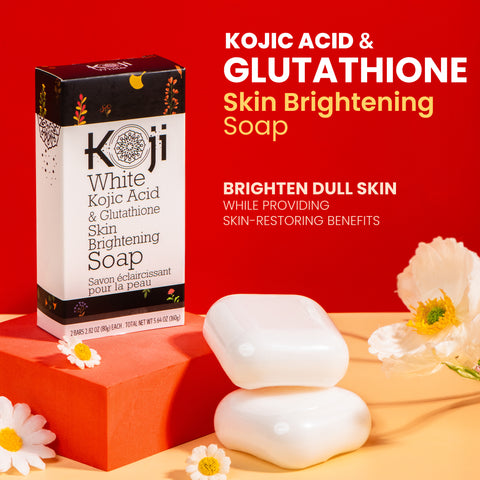
Soaps
-
Cleansers
-
Serums
-
Creams and targeted treatments
The format matters. A wash-off cleanser doesn't interact with your skin in exactly the same way as a leave-on serum or cream, and the overall formula, concentration, frequency of use, and other ingredients all affect how your skin responds.
Kojic acid can also cause irritation for some people. Starting gradually, following the product directions, and patch testing before wider use can help you see how your skin tolerates it.
Wondering specifically about cleansers? Read Does Kojic Acid Soap Work for Dark Spots and Hyperpigmentation? for a closer look at what to expect from this product format.
What Is Vitamin C?
Vitamin C is an antioxidant and one of the most widely used ingredients in modern skincare.
Its antioxidant properties help protect the skin against oxidative stress caused by environmental factors. Vitamin C is also used to support radiant-looking skin and improve the appearance of uneven tone and discoloration.
These broader vitamin C benefits for skin are one reason the ingredient is so common in morning routines. Paired with sunscreen, vitamin C can form part of a routine focused on both antioxidant support and maintaining healthier-looking skin.
Vitamin C may also help with the appearance of dark spots because it can influence pathways associated with pigmentation. However, its role in skincare extends beyond discoloration.
There isn't just one form of topical vitamin C. L-ascorbic acid is one well-known form, while various vitamin C derivatives are also used in skincare products. These forms can differ in stability, formulation requirements, and how well individual skin types tolerate them.
You don't need to become a cosmetic chemist to choose a product. Look at the complete formula, follow its directions, and pay attention to how your skin responds.
Kojic Acid vs Vitamin C: What's the Difference?
When comparing kojic acid vs vitamin C, the biggest difference is their primary role. Kojic acid is generally used as a more targeted pigmentation-focused ingredient, while vitamin C combines tone-supporting properties with broader antioxidant benefits.
| Factor | Kojic Acid | Vitamin C |
|---|---|---|
| Primary role | Targets pathways involved in excess pigment production | Provides antioxidant support and helps improve visible uneven tone |
| Dark spots | Commonly used for visible hyperpigmentation and post-acne marks | Can help improve the appearance of discoloration |
| Uneven skin tone | Supports a more even-looking tone by targeting excess pigmentation | Supports brighter, more radiant and even-looking skin |
| Antioxidant benefits | Not its primary skincare role | Major benefit |
| Typical routine timing | Depends on product; often used in an evening or targeted routine | Commonly used in the morning, though product directions vary |
| Common product formats | Soap, cleanser, serum, cream | Serum, cream, moisturizer |
| Potential for irritation | Can irritate sensitive skin, especially with overuse | Some forms and formulations may sting or irritate sensitive skin |
| Best suited for | Targeted care for visible dark spots and uneven pigmentation | Antioxidant support, dull-looking skin, radiance, and uneven tone |
Neither ingredient is automatically the best ingredient for dark spots for every person. Skin tolerance, the cause of the discoloration, formulation, consistency, and the rest of your routine all matter.
For a wider comparison, see Best Ingredients for Hyperpigmentation, which can help you understand where ingredients such as kojic acid, vitamin C, niacinamide, and tranexamic acid fit.
Which Is Better for Dark Spots?
If visible hyperpigmentation or post-acne dark spots are your main concern, kojic acid may be the more targeted choice.
That's because its primary skincare role is closely connected to the process involved in melanin production. When excess pigment contributes to a dark spot, kojic acid can be useful as part of a routine designed to improve the appearance of that discoloration.
That doesn't mean vitamin C for dark spots isn't worth considering. Vitamin C can also support a more even-looking complexion while offering antioxidant benefits, which makes it a versatile option for people with several skin goals.
Neither ingredient should be expected to transform dark spots overnight. Visible discoloration can take time to improve, and repeated irritation or ongoing sun exposure may work against your progress.
A well-planned routine is often more valuable than simply choosing the strongest-sounding active. See How to Build a Skincare Routine for Dark Spots for help putting the individual steps together.

Which Is Better for Dull-Looking Skin?
If your main concern is a lack of radiance rather than distinct areas of hyperpigmentation, vitamin C may make more sense.
Its antioxidant properties make it particularly useful in routines focused on environmental stress and maintaining radiant, healthier-looking skin. That's one reason vitamin C is frequently used during the day.
It's also important to distinguish dullness from skin color.
Dull-looking skin refers to a lack of visible radiance or vibrancy. It does not mean darker skin. Naturally melanin-rich skin does not need to become lighter to look healthy or radiant.
Hyperpigmentation, meanwhile, refers to areas that appear darker than the surrounding skin because of increased pigmentation. Understanding which concern you're actually trying to address can make choosing skincare much easier.

Which Is Better for Melanin-Rich Skin?
Both kojic acid and vitamin C can have a place in skincare for hyperpigmentation in melanin-rich skin. The more important question is often how you use them.
Skin with more melanin can be particularly prone to visible post-inflammatory hyperpigmentation after inflammation or injury. That means an overly aggressive routine can become counterproductive: irritating your skin in an attempt to improve dark spots may contribute to new areas of discoloration.
A few habits can make a significant difference:
- Introduce active ingredients gradually.
- Avoid piling on multiple exfoliating or potentially irritating products at once.
- Keep the skin barrier supported with an appropriate moisturizer.
- Use broad-spectrum sunscreen consistently.
- Patch test new products when appropriate.
- Give your skin time to adjust before introducing another active.
More isn't always better.
For additional guidance, see 3 Common Mistakes People with Melanin-Rich Skin Make When Trying to Fade Dark Spots.
Can You Use Kojic Acid and Vitamin C Together?

Yes, kojic acid and vitamin C may be incorporated into the same overall skincare routine if your skin tolerates them. That doesn't mean you need to layer both ingredients at the same time.
Keeping the routine simple can make it easier to identify what your skin likes and what might be causing irritation.
Option 1: Separate by Time of Day
Morning:
-
Gentle cleanser
-
Vitamin C product
-
Moisturizer
-
Broad-spectrum sunscreen
Evening:
-
Gentle cleanser
-
Kojic-acid-containing treatment, as directed
-
Moisturizer
This approach gives each ingredient a clear place in the routine without unnecessarily stacking multiple active products in one application.
Option 2: Separate Products or Days
If your skin is sensitive or you're new to active skincare, introduce one ingredient first. Give your skin time to adjust before deciding whether you need the second.
You might also use a kojic acid product only on certain days rather than every day, depending on the formula and its directions.
There's no prize for creating the longest routine. Follow the instructions for each individual product and reduce frequency or stop using a product if you develop persistent irritation.
Kojic Acid vs Vitamin C: Which Should You Choose?
The right choice depends on your primary goal.
Consider Kojic Acid If:
-
Your main concern is visible dark spots.
-
You experience post-acne discoloration.
-
You're looking for an ingredient specifically associated with targeting excess pigmentation.
Consider Vitamin C If:
-
Your main concern is dull-looking skin or lack of radiance.
-
You want antioxidant support.
-
You want an ingredient that fits naturally into a morning skincare routine.
-
You want to address uneven tone while supporting broader skin appearance goals.
Consider Both If:
-
You have multiple concerns, such as dark spots and dull-looking skin.
-
Your skin tolerates both ingredients.
-
You want antioxidant support alongside more targeted care for uneven pigmentation.
Remember, adding more active ingredients doesn't automatically produce better results. A simple routine you can use consistently, without repeatedly irritating your skin, is usually a better foundation.
The Ingredient People Often Forget: Sunscreen
The kojic acid vs vitamin C for dark spots debate matters much less if sun protection is missing from your routine.
UV exposure can contribute to uneven pigmentation and make existing discoloration more noticeable. This is especially relevant when you're already spending time and money on ingredients for uneven skin tone.
Use a broad-spectrum sunscreen as directed, and combine it with other sun-protective habits when appropriate, such as seeking shade and wearing protective clothing.
Sunscreen isn't simply an extra step at the end of a dark-spot routine. It's one of the foundations of that routine.
Final Verdict: Kojic Acid or Vitamin C?
There's no universal winner.
For targeted dark spots: Kojic acid may have the more specific role because of how it interacts with processes involved in excess pigment production.
For antioxidant protection and radiance: Vitamin C offers broader benefits and fits particularly well into many morning routines.
For an overall hyperpigmentation routine: The two ingredients don't necessarily have to compete. If your skin tolerates them, they can play different roles within the same routine.
Whichever option you choose, consistency, sun protection, and avoiding unnecessary irritation matter more than constantly switching between trending ingredients.
The goal isn't to change your natural skin color. It's to support healthy, radiant-looking skin and improve the appearance of unwanted dark spots and uneven pigmentation.
Frequently Asked Questions
Is kojic acid better than vitamin C for dark spots?
Kojic acid may be the more targeted option when visible dark spots are your primary concern because it interacts with a process involved in melanin production. Vitamin C can also improve the appearance of uneven tone while providing antioxidant benefits.
Can kojic acid and vitamin C be used together?
They can be part of the same overall routine if your skin tolerates both. One simple approach is vitamin C in the morning and a kojic acid product in the evening. Always follow individual product directions.
Which is better for hyperpigmentation?
Kojic acid has a particularly targeted role in routines for visible hyperpigmentation. Vitamin C can also support more even-looking skin. The better choice depends on your specific concerns, skin sensitivity, and the rest of your routine.
Is vitamin C good for post-acne dark spots?
Vitamin C may help improve the appearance of post-acne discoloration and uneven skin tone. If acne is still active, addressing the factors contributing to breakouts is also important because new inflammation can lead to new marks.
How long does kojic acid take to improve the appearance of dark spots?
There's no single timeline that applies to everyone. Results depend on the product formulation, the type and persistence of discoloration, frequency of use, sun exposure, and individual skin response. Consistency matters more than expecting overnight results.
Can I use vitamin C in the morning and kojic acid at night?
Yes, this can be a practical way to incorporate both ingredients if your skin tolerates them. Use sunscreen as the final step of your morning routine and follow the directions provided with each skincare product.
Is kojic acid suitable for melanin-rich skin?
Kojic acid can be used in skincare routines for melanin-rich skin, including routines focused on visible dark spots. Because irritation can contribute to post-inflammatory discoloration, introduce it gradually and avoid unnecessarily aggressive combinations.
Do I still need sunscreen when using kojic acid or vitamin C?
Yes. Broad-spectrum sunscreen is an important part of a routine for uneven pigmentation. UV exposure can contribute to new discoloration and make existing dark spots more noticeable.
Learn More About Ingredients for Uneven Skin Tone
Not sure which ingredient belongs in your routine? Explore our guide to the best ingredients for hyperpigmentation to learn how kojic acid, vitamin C, tranexamic acid, niacinamide, and other ingredients play different roles in supporting more even-looking skin.
complete guide to hyperpigmentation on melanin-rich skin
what causes hyperpigmentation in melanin-rich skin
best ingredients for hyperpigmentation
A good dark-spot routine starts with choosing ingredients for a reason. Learn how popular hyperpigmentation ingredients work so you can build a routine that makes sense for your skin.