If you recently started using a kojic acid soap and noticed a slight stinging or burning sensation, you’re not alone. Many people experience mild tingling when first introducing active skincare ingredients, especially those designed to target pigmentation.
Kojic acid soap is widely used to help brighten skin and reduce the appearance of dark spots, melasma, and uneven tone. While it can be very effective, some users report a kojic acid soap burning sensation during the first few uses.

In most cases, this reaction is temporary and happens as the skin adjusts to the ingredient. However, understanding why it occurs and how to manage it can help you use kojic acid safely and comfortably.
In this guide, we’ll explain why kojic acid soap can cause stinging, when irritation is normal, and how to reduce discomfort while still benefiting from this popular pigment correcting ingredient.
Why Kojic Acid Can Cause a Stinging Sensation
Kojic acid is a naturally derived compound produced by certain types of fungi during fermentation. In skincare, it’s commonly used to help fade dark spots by targeting melanin production in the skin.
Melanin is the pigment responsible for skin color and dark spots. Kojic acid works by inhibiting an enzyme called tyrosinase, which plays a key role in melanin formation.
Because of this activity, kojic acid is considered an active ingredient. While beneficial for brightening skin tone, it can temporarily affect the skin’s outer protective layer, known as the skin barrier.
When the skin barrier becomes slightly disrupted, you may experience:
- Tingling
- Mild burning
- Redness
- Dryness
This is one of the most common kojic acid soap side effects, especially when the ingredient is first introduced into a skincare routine.
The good news is that for many people, this reaction is short-term. As the skin adapts, the sensation usually fades within a few days or weeks.
Common Reasons People Experience Irritation
Not everyone experiences irritation from kojic acid soap. However, certain factors can increase the likelihood of a kojic acid soap irritation reaction.
Here are the most common reasons.
1. Sensitive Skin
People with naturally sensitive skin may notice stronger reactions to active ingredients.
If your skin tends to react easily to exfoliants, fragrances, or acids, you might experience more noticeable stinging when using kojic acid soap. This is why sensitive skin kojic acid soap reactions can occur more frequently during the first few uses.
Your skin may simply need more time to adjust.
2. Using the Soap Too Frequently
Overuse is one of the biggest causes of irritation.
Some people begin using kojic acid soap multiple times a day hoping for faster results. However, doing this can strip the skin of its natural oils and weaken the barrier.
When the barrier becomes compromised, the kojic acid soap burning sensation can intensify.
Most dermatology experts recommend introducing active ingredients gradually.
3. Leaving the Soap on the Skin Too Long
Some kojic acid soaps are marketed as “treatment cleansers,” which leads users to leave them on the skin like a mask.
While short contact therapy can sometimes be helpful, leaving the soap on the skin for several minutes at the beginning may increase irritation.
If you’re wondering why does kojic acid soap sting, this is one of the most common reasons.
4. Combining with Other Strong Exfoliants
Using kojic acid soap alongside other active ingredients may overwhelm the skin.
Common combinations that can increase irritation include:
- AHAs (glycolic acid, lactic acid)
- BHAs (salicylic acid)
- Retinoids
- Strong exfoliating scrubs
When multiple actives are layered together, the skin barrier may become stressed, leading to redness, dryness, and a kojic acid soap irritation response.

Is Stinging Normal or a Sign to Stop?
A mild tingling sensation is often normal when starting an active ingredient. However, it’s important to distinguish between temporary adjustment and true irritation.
Mild and Temporary Sensations
These reactions are usually normal during the first week or two:
- Light tingling while cleansing
- Mild warmth that fades quickly
- Slight dryness
- Minor redness that resolves within a few hours
These symptoms typically improve as the skin becomes accustomed to the product.
Signs You Should Stop Using the Product
In some cases, the reaction may be too strong. Consider discontinuing use if you experience:
- Persistent burning
- Severe redness
- Peeling or cracking
- Swelling
- Itching or rash
These may indicate a stronger sensitivity or allergic reaction rather than normal adjustment. If symptoms continue, consulting a dermatologist can help determine whether kojic acid is appropriate for your skin type.

How to Reduce Irritation When Using Kojic Acid Soap
If you’re experiencing a kojic acid soap burning sensation, there are several simple ways to make your routine gentler while still allowing the ingredient to work effectively.
Start Slowly
Instead of using the soap daily, begin with 2–3 times per week.
This gradual introduction gives the skin time to adapt to the active ingredient. After a few weeks, you can slowly increase usage if your skin tolerates it well.
Keep Contact Time Short
At the beginning, use kojic acid soap like a normal cleanser.
- Lather the soap.
- Gently cleanse the skin.
- Rinse after about 20–30 seconds.
Avoid leaving the product on your skin for extended periods until you know how your skin responds.
Moisturize Immediately After Cleansing
Hydration plays a major role in preventing irritation.
After washing your face or body with kojic acid soap, apply a gentle, fragrance-free moisturizer. This helps restore the skin barrier and reduces dryness or stinging.
Look for ingredients like:
- Ceramides
- Hyaluronic acid
- Glycerin
- Panthenol
These help reinforce the skin’s protective layer.
Avoid Over-Exfoliation
Using too many exfoliating products at once can worsen irritation. If you’re using kojic acid soap, consider simplifying your routine by limiting other strong actives.
For example, you may want to avoid:
- Chemical exfoliants on the same day
- Physical scrubs
- Strong retinoids during the adjustment phase
Giving your skin a break allows it to tolerate kojic acid more comfortably.

Use Sunscreen Daily
Kojic acid works by affecting pigment production, which can make the skin more sensitive to sun exposure.
Without sun protection, irritation and pigmentation issues may worsen.
Dermatologists generally recommend applying a broad-spectrum SPF 30 or higher each morning when using brightening ingredients.
Who Should Be Careful With Kojic Acid?
While kojic acid is generally safe for many skin types, some people should approach it with extra caution.
Sensitive Skin
People with sensitive skin may need to introduce kojic acid more slowly or use it less frequently. Patch testing before full use can help prevent unexpected reactions.
Eczema-Prone Skin
If you have eczema or very dry skin, your skin barrier may already be compromised. Active ingredients like kojic acid can sometimes increase irritation in these situations.
Rosacea
Those with rosacea may also experience increased redness or stinging from certain actives. If you have rosacea, it’s best to consult a dermatologist before introducing pigment-correcting ingredients.
Frequently Asked Questions
Why does kojic acid soap sting when I first use it?
Kojic acid affects melanin production and can temporarily disrupt the skin barrier. When the skin is adjusting, mild tingling or stinging may occur.
How long does the burning sensation last?
For many people, the sensation fades within a few days to two weeks as the skin adapts to the ingredient.
Is a burning sensation a normal kojic acid soap side effect?
Mild tingling can be normal during the adjustment phase. However, persistent burning, swelling, or severe redness may indicate irritation and should not be ignored.
Can people with sensitive skin use kojic acid soap?
Yes, but it should be introduced slowly. Using it a few times per week, moisturizing well, and avoiding other strong actives can help minimize sensitive skin kojic acid soap reactions.
Should I stop using kojic acid soap if it burns?
If the sensation is mild and temporary, you may simply reduce frequency. However, if the burning is intense or lasts a long time, it’s best to stop using the product and consult a skincare professional.
Conclusion
Experiencing a kojic acid soap burning sensation can be surprising, especially if you’re new to active skincare ingredients. In many cases, mild tingling or stinging is simply part of the skin adjusting to a brightening treatment.
Understanding why kojic acid soap stings, how to introduce it gradually, and how to support your skin barrier can make a big difference in comfort and results.
By starting slowly, moisturizing consistently, avoiding excessive exfoliation, and protecting your skin from the sun, you can reduce irritation while still benefiting from kojic acid’s pigment-correcting effects.

A Gentle Option for Targeting Dark Spots
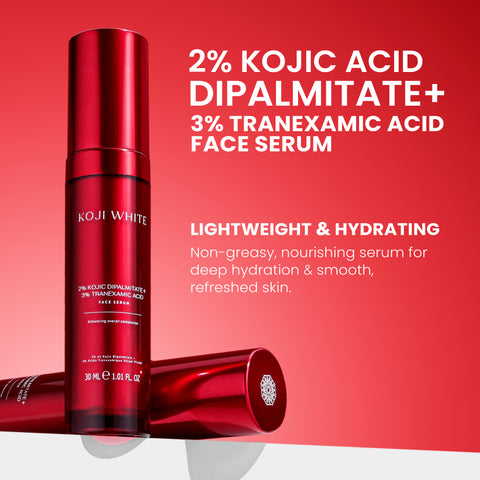
If you’re looking for a brightening cleanser designed to help address uneven tone and dark spots, Koji White Pure Kojic Acid Soap is formulated to support clearer, more radiant skin.
When used as part of a balanced skincare routine, it can help gradually improve the appearance of hyperpigmentation while allowing your skin time to adjust to this powerful ingredient.