Understanding Uneven Skin Tone: What’s Really Happening
Before we talk about how to improve skin tone, it helps to understand what causes dark spots, uneven skin tone, and hyperpigmentation in the first place.
Your skin color is determined by melanin, a pigment produced by specialized cells called melanocytes. Melanin is your skin’s natural defense system. When exposed to triggers like UV radiation, inflammation (such as acne), or irritation, your skin produces more melanin to protect itself.
This is why:
-
Sun exposure leads to tanning and dark spots
- Acne or irritation can leave behind marks long after healing
- Skin tone can appear uneven when melanin is produced unevenly
You may also notice that your skin looks lighter or more even in winter. That’s because UV exposure drops significantly, so melanin production slows down.
It’s important to be clear: “lightening” the skin is not about changing your natural skin color. It’s about reducing excess or uneven melanin so your natural tone looks clearer, brighter, and more even.

Finally, Easy Ways to Get Lighter Skin
When it comes to improving your skin tone, wishing on a star won’t get you anywhere. If you struggle with blotchy, uneven skin, freckles, dark spots, old acne scars and discoloration anywhere on your face and body, it can seem like an uphill battle to get your skin nice and even looking.
In winter time as your skin lightens, you may have noticed that this helps your complexion look more even toned. Aha! So, how do we lighten our skin even more? There are good and bad ways to go about it.
Does Sun Damage cause Hyperpigmentation?
The most important thing you want to do is to avoid sun exposure of any kind. That means wearing SPF every single day without skipping, even when the weather is partly cloudy or it’s winter. The sun’s rays still peek through even if they are not at their strongest, so don’t be fooled.
Why avoid the sun? Well, it’s simple. The sun triggers melanin production in your skin. Melanin is a pigment that makes skin appear darker. Usually when we think of melanin, we think of getting a nice bronze tan on vacation. But for some people, melanin can be concentrated in certain areas of the skin more than others, leading to a blotchy appearance and dark spots.
What’s happening at a deeper level:
UV radiation activates an enzyme called tyrosinase, which plays a key role in melanin production. Once triggered, your skin increases pigment production as a defense mechanism.
There’s also an important difference between:
-
Tanning: a more even increase in melanin across the skin
-
Hyperpigmentation: uneven, localized melanin buildup (dark spots, patches, acne marks)
The sun is also a primary cause of aging. Researchers estimate that the sun is responsible for 80 percent of all skin aging. Can you believe it? Liver spots, or age spots, can begin to develop on your face and hands, leading to a haggard appearance that’s anything but youthful.
Early research has also linked age spots on the face and body to pollution. Adding antioxidants to both your skincare routine and diet can help bolster your body’s defense mechanisms to fight free radicals caused by pollution and environmental stresses. City dwellers are most at risk, having the highest likelihood of age spots. Take care to protect your skin.
Expert Tip: Even brief daily sun exposure, like walking outside for a few minutes, can undo progress if sunscreen is skipped. Consistent SPF use is the single most important step for preventing and improving hyperpigmentation.
Now that we’ve talked about some preventive measures, let’s discuss how to lighten skin that’s already become dark and discolored. After all, that’s probably why you found yourself reading this article! There are many things you can do to help lighten your skin tone and achieve a more even-toned complexion.
Lighten Skin at Home with Chemical Exfoliation
First up is gentle chemical exfoliants. No, we’re not talking anything radical that would eat away layers of skin. Mild daily exfoliants from fruit acids and natural ingredients can break up the glue that holds dead, dry skin cells on your skin’s surface, lifting them away gradually so that you are left with the light, healthy skin underneath that hasn’t ever been exposed to the sun yet.
Why this works:
Your skin naturally renews itself every ~28 days. When dead skin builds up, it can make the surface look dull, uneven, and darker. Chemical exfoliants help speed up this turnover process, allowing fresher, more evenly pigmented skin to come forward.
We love Papaya Enzyme, an alpha hydroxy acid that gently buffs skin. It is mild enough for sensitive skin, yet it is effective for lightening tanned complexions. Papaya fruit is not only delicious, but it is hailed as one of the world’s best natural exfoliants.
Using a gentle product with ingredients like papaya enzyme can be an easy way to incorporate exfoliation into your routine, especially if it fits into steps you already do, like cleansing.
Try a soap bar formulated with Papaya Enzyme. This is the easiest way to add it into your skincare routine because you use soap in the shower anyway, which means you don’t even have to add another step to your skin regimen. It’s a no-brainer for skin that needs lightening. Suds your body and face with it daily in the shower, and you will notice your complexion becoming lighter, brighter and more luminous with time.
Other popular chemical exfoliants include salicylic acid (a beta hydroxy acid), glycolic acid and even raw apple cider vinegar.
How often should you exfoliate?
-
Sensitive skin: 2–3 times per week
- Normal to oily skin: every other day or gentle daily formulas
- Always monitor for irritation
Over-exfoliating can damage your skin barrier, which can actually worsen hyperpigmentation.

Stop Melanin Production Naturally to Lighten Skin
Reducing dark skin is hard when you live in a sunny climate. Even if you wear SPF, it is just screening out some of the sun’s rays, not all of them. Plus, you need to reapply throughout the day. If you have hyperpigmentation, you need a dual approach. This can include daily SPF as well as specialty topicals like Kojic Acid that actually stop melanin from forming.
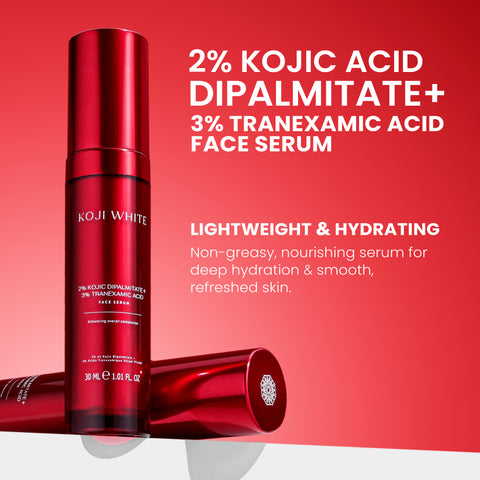
How does it work? Kojic Acid causes your skin to block melanin production because it slows down tyrosine, a natural biochemical found in skin that triggers dark pigment. Brilliant.
down tyrosine, a natural biochemical found in skin that triggers dark pigment. Brilliant.
Let’s break that down simply:
Tyrosinase is the enzyme that converts tyrosine into melanin. Kojic acid works by inhibiting this enzyme, which means less pigment is produced over time.
Who benefits most:
- Dark spots from acne
- Sun spots and uneven tone
- Post-inflammatory hyperpigmentation
What to expect:
-
Early improvements: around 2–4 weeks
-
More visible results: 4–8+ weeks with consistent use
Important: Kojic acid can make skin more sensitive to sunlight, so daily sunscreen is essential to maintain results and prevent new pigmentation.
How to Lighten Skin Safely
Now that you know the secrets to truly whiter, brighter skin, we should talk about some ingredients you should avoid. When it comes to skin lightening, home remedies abound. You’ll see recommendations to use lemon juice, which is way too strong of an acid for skin and can cause dehydration, which makes skin appear older. Another you’ll see on these lists is baking soda and harsh scrubs like apricot kernels to exfoliate your skin’s surface.
Why these are problematic:
-
Lemon juice can disrupt your skin’s pH and cause irritation
-
Baking soda is highly alkaline and weakens the skin barrier
- Harsh scrubs create micro-tears in the skin
Careful with these. Your skin might feel super smooth after, but the rough texture of the scrub is quite abrasive and can cause micro tears. This not only weakens skin, but it also makes it much more susceptible to acne bacteria and breakouts.
Important insight:
When the skin barrier is damaged, inflammation increases. And inflammation is one of the biggest triggers of excess melanin production. So while these methods may feel effective short-term, they often worsen uneven skin tone over time.
If you have scarring and uneven pigmentation along with acne-prone skin, avoid harsh scrubbing in favor of mild exfoliants such as Papaya Enzyme, and try melanin-stopping Kojic Acid to gradually brighten your skin instead.
How to Build a Simple Routine for More Even Skin
Keeping your routine simple and consistent is key.
Morning:
- Gentle cleanser
-
Antioxidant (optional, like vitamin C)
- Moisturizer
- Broad-spectrum sunscreen (non-negotiable)
Evening:
- Cleanser
-
Kojic acid or exfoliant (alternate, don’t layer aggressively)
-
Hydrating moisturizer
Consistency matters more than complexity.
How Long Does It Take to See Results?
Skin renewal takes time. Most people see changes in phases:
-
Week 1–2: Skin adjusts to new products
-
Week 2–4: Early brightness and smoother texture
-
Week 4–8+: More visible improvement in dark spots and uneven tone
This aligns with your skin’s natural regeneration cycle, which is about 28 days. Real change happens gradually, not overnight.
Common Mistakes That Slow Down Results
Even good products won’t work well if these habits get in the way:
- Skipping sunscreen
- Over-exfoliating
- Using too many active ingredients at once
- Expecting fast, dramatic results
The goal is steady, controlled improvement, not quick fixes.
Final Thoughts
Achieving a more even skin tone is less about “lightening” and more about restoring balance in how your skin produces and sheds pigment.
Focus on:
-
Protecting your skin daily
- Supporting healthy cell turnover
- Using targeted ingredients like kojic acid
-
Staying consistent over time
When you approach it this way, you’re not just improving how your skin looks. You’re supporting long-term skin health.