What Causes Dark Spots and Why Ingredients Matter
Before building any skincare routine, it helps to understand what’s actually happening in your skin.
Dark spots, hyperpigmentation, and uneven skin tone all come down to how your skin produces melanin. Melanin is the pigment that gives your skin its color. It’s produced by cells called melanocytes, and the process is controlled by an enzyme called tyrosinase.
When your skin is exposed to triggers like:
-
Sun exposure
-
Acne and inflammation
-
Hormonal changes
-
Skin irritation
…it can signal melanocytes to produce excess melanin. This extra pigment doesn’t always distribute evenly, which is how dark spots form.
This is why ingredient choice matters more than trends. The most effective skincare focuses on:
-
Slowing down melanin production
-
Reducing inflammation
-
Supporting skin renewal
-
Protecting against further damage
Ingredients like kojic acid, vitamin C, and niacinamide each target a different part of this process. When used correctly, they can work together to visibly improve hyperpigmentation over time.
Combining Kojic Acid With Other Skincare Ingredients For Enhanced Results
Source:
Some might say curating the perfect skincare routine is an art, but the truth is it’s more of a science. Certain ingredients go together like birds of a feather, while others can end up doing more harm than good. That’s why it’s important to do your research before conducting any experiments.
Below we’re sharing our top tips for safely and effectively combining kojic acid with other ingredients so you can achieve your brightest and most beautiful skin.

Is It Safe To Combine Kojic Acid With Other Skincare Ingredients?
You can safely combine kojic acid with other ingredients, but it’s always wise to take caution. The wrong pairings can heighten skin sensitivity or cause irritation, so you should take special measures when introducing new products to your routine:
-
Perform a patch test. Before you officially start using a new product or skincare combination, perform a patch test by applying a small amount of the product to a specific area of your skin. Pay close attention to the patch over the next 24 hours to ensure there are no negative reactions.
Apply the product to a discreet area like behind your ear or along your jawline. Watch for redness, itching, or delayed irritation. For melanin-rich skin, even mild irritation can sometimes lead to post-inflammatory hyperpigmentation, so this step matters more than most people think.
- Go slow. Introduce products and ingredients gradually, so you can monitor your skin while it gets used to the newness. This might mean only using the product once or twice a week, or using smaller quantities. Start with one active ingredient at a time. Give your skin at least 1–2 weeks before adding another. This makes it easier to identify what’s working and what isn’t.
-
Don’t forget your SPF. Kojic acid can heighten sun sensitivity, so make sure you’re applying sunscreen daily.
This is non-negotiable. Without daily SPF, dark spots can return or worsen, even if your treatment is working. Look for a broad-spectrum SPF 30 or higher and reapply during the day if you’re exposed to sunlight.
- Consult a dermatologist. If you’re ever in doubt, speak to a professional. They’ll be able to provide you with tailor-made advice for your skin type, so you can create a skincare routine that truly works for you.

The Best (& Worst) Skincare Pairings For Kojic Acid
Kojic acid is versatile and pairs well with many other skincare products, but there are certain ingredients that make especially perfect partners.
1. Vitamin C. Like kojic acid, this powerful antioxidant is a master skin illuminator. It’s also fantastic for fighting signs of aging. Pair it with kojic acid to create a dream duo for glowing, youthful skin.
How it works:
Vitamin C helps reduce melanin formation by interfering with tyrosinase activity and also protects skin from oxidative stress caused by UV exposure.
Best for:
-
Dull skin
-
Uneven skin tone
-
Early signs of aging
What to expect:
Brighter-looking skin in 4–8 weeks with consistent use.
Limitations:
-
Can be unstable depending on formulation
-
May sting sensitive skin
-
Works best when paired with sunscreen
Why it pairs well:
Kojic acid reduces pigment production, while vitamin C helps prevent new pigmentation and protects against environmental damage.
2. Hydroquinone. Those struggling with hyperpigmentation will find a winning combination with hydroquinone and kojic acid. This brightening compound is extremely effective for targeting dark spots.
How it works:
Hydroquinone suppresses melanocyte activity, directly reducing melanin production.
Best for:
-
Stubborn dark spots
-
Melasma (under supervision)
What to expect:
Visible improvement in 6–12 weeks.
Limitations & caution:
-
Should be used short-term and under professional guidance
-
Overuse can lead to irritation or rebound pigmentation
Why it pairs well:
Both ingredients target pigmentation at different stages, making the combination more effective for persistent hyperpigmentation.
3. Azelaic acid. Azelaic and kojic acid both contain tyrosinase, a group of enzymes that play a vital role in the skin’s pigmentation process. You can keep hyperpigmentation at bay with this potent team.
Clarification & expansion:
Azelaic acid actually inhibits tyrosinase, helping reduce excess pigment while also calming inflammation.
Best for:
-
Acne-related dark spots
-
Sensitive or reactive skin
What to expect:
Gradual fading of post-acne marks over 8–12 weeks.
Limitations:
-
Results take time
-
Mild tingling is common at first
Why it pairs well:
Azelaic acid reduces inflammation (a key trigger for pigmentation), while kojic acid targets pigment production.
4. Niacinamide. This superhero skincare ingredient beautifully complements kojic acid’s brightening properties. It also protects the skin against environmental damage, soothes irritation, boosts collagen production, and regulates oil production so you can cover all of your skincare bases!
How it works:
Niacinamide helps prevent the transfer of melanin to skin cells, which reduces the appearance of dark spots.
Best for:
-
Uneven skin tone
-
Oily or combination skin
-
Barrier repair
What to expect:
Improved tone and smoother skin in 4–8 weeks.
Limitations:
-
Works gradually, not instantly
-
Needs consistent use
Why it pairs well:
It supports the skin barrier, making kojic acid easier to tolerate.
5. Licorice extract. Known for its skin-soothing properties, licorice extract works wonders for reducing redness and irritation. Expect clear and glowing skin when you add kojic acid to the mix!
How it works:
Contains glabridin, which helps inhibit tyrosinase and calm inflammation.
Best for:
-
Sensitive skin
-
Redness and irritation
-
Mild hyperpigmentation
What to expect:
Subtle brightening and improved clarity over time.
Limitations:
-
Mild compared to stronger actives
-
Best used as a supporting ingredient
Why it pairs well:
It reduces irritation risk while supporting brightening.
6. Retinol. Everyone’s favorite anti-aging ingredient can bring your skin even more radiance when paired with kojic acid. Retinol is well-loved for its ability to prolong youthful skin by stimulating collagen production and boosting cell turnover. However, it’s important to start very slowly due to retinol’s potency.
How it works:
Increases cell turnover, helping pigmented cells shed faster.
Best for:
-
Aging skin
-
Texture concerns
-
Stubborn discoloration
What to expect:
Smoother, more even skin in 8–12 weeks.
Limitations & caution:
-
Can cause dryness, peeling, irritation
-
Not ideal to start at the same time as kojic acid
Why it requires caution:
Both ingredients can be irritating. It’s often better to alternate them (e.g., kojic acid in the morning, retinol at night).

Ingredients to Be Careful With
On the other hand, certain ingredients can trigger irritation and should be avoided if you’re using kojic acid in your skincare routine. Harsh acids, like alpha-hydroxy acids (AHAs), are a prime example, as well as certain retinoids.
Why:
These combinations can:
-
Over-exfoliate the skin
-
Damage the skin barrier
-
Trigger inflammation, which can worsen hyperpigmentation
Which Ingredient Is Right for Your Skin?
Choosing the right combination depends on your main concern:
-
Dark spots / hyperpigmentation: Kojic acid, hydroquinone (with guidance), azelaic acid
-
Sensitive or reactive skin: Niacinamide, licorice extract
-
Dull or tired-looking skin: Vitamin C
-
Dehydrated or compromised skin: Focus on barrier support first before adding actives
If your skin is easily irritated, start with gentler combinations and build up slowly.
How to Use These Ingredients in a Routine
Morning routine
-
Gentle cleanser
-
Vitamin C or niacinamide
-
Kojic acid product (if tolerated)
-
Moisturizer
-
Sunscreen (SPF 30+)
Evening routine
-
Cleanser
-
Kojic acid (or alternate with retinol on different nights)
-
Hydrating or soothing serum
-
Moisturizer
Consistency matters more than complexity. A simple routine done daily will outperform an overly complicated one.
Final Thoughts
You can have a lot of fun experimenting with kojic acid skincare combinations, but remember to always be cautious and take it slow. Good skin comes to those who wait!
Koji White Kojic Acid Skin Brightening Soap
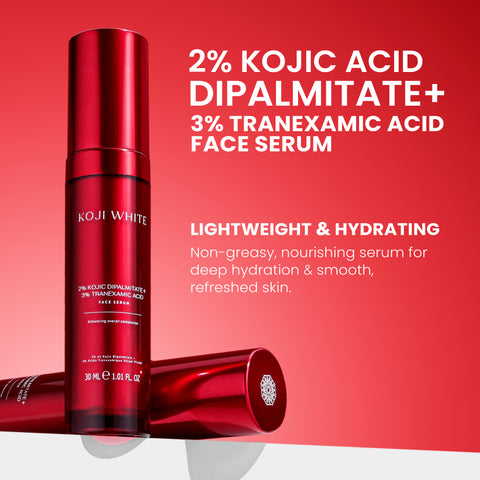
Products that contain ingredients like kojic acid, such as a gentle cleansing bar or targeted serum, can be a practical starting point if you’re looking to address dark spots and uneven skin tone.
Effectively diminishing the appearance of dark spots takes time, consistency, and daily sun protection. There’s no instant fix, but with the right combinations, you can gradually support clearer, more even-looking skin.
Related Articles
- Top 5 Skin Whitening Ingredients That Actually Work
-
Testimonials and Success Stories: Real People, Real Results with Kojic Acid Soap
- Koji White Kojic Acid Soap vs Kojie San: Which Kojic Soap is Right for You?
- How Long Should It Take for Skin Whitening Cream to Work?