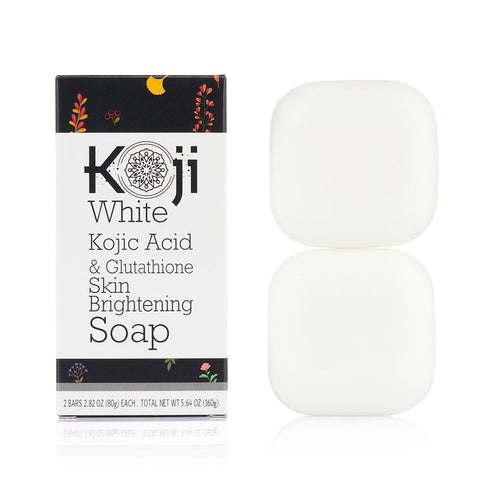
Hyperpigmentation is one of the most common skincare concerns, especially for people with melanin-rich skin. Dark spots, post-acne marks, and uneven skin tone can appear after inflammation, sun exposure, or even minor skin irritation. While these marks are completely normal, many people look for ways to help their skin return to a more even-looking tone.

The good news is that certain skincare ingredients can support this process. Understanding how these ingredients work makes it easier to choose products that fit your skin’s needs and avoid routines that may cause more irritation.
In this guide, we’ll walk through the best ingredients for hyperpigmentation, explain how they support more even-looking skin, and discuss how to build a gentle routine that works well for melanin-rich skin.
If you want a deeper overview of how hyperpigmentation develops and the different types of discoloration, you may also find our pillar article helpful: “The Complete Guide to Hyperpigmentation.”
What Causes Hyperpigmentation?

Hyperpigmentation occurs when the skin produces excess melanin, the pigment responsible for skin color. When certain triggers stimulate melanocytes (the cells that produce melanin), the skin may develop darker areas or spots.
Several factors can lead to this process.
Sun Exposure
Ultraviolet (UV) radiation from the sun stimulates melanin production as a natural protective response. Over time, this can lead to sunspots or patches of uneven tone, particularly if sunscreen is not used consistently.
Inflammation
Inflammation is one of the most common causes of discoloration in melanin-rich skin. When the skin experiences irritation or injury, it can respond by producing extra pigment.
This process is called post-inflammatory hyperpigmentation (PIH).
Common triggers include:
- Acne breakouts
- Bug bites
- Cuts or scratches
- Aggressive skincare treatments
- Skin picking or squeezing pimples
Post-Acne Marks
After an acne lesion heals, it often leaves behind a dark mark. These spots may fade gradually, but they can remain visible for months without proper care.
Hormonal Changes
Hormonal shifts can sometimes lead to forms of hyperpigmentation such as melasma, which often appears as patchy discoloration on the cheeks, forehead, or upper lip.
Because melanin-rich skin naturally produces more pigment, it may also respond more strongly to inflammation. This is why gentle, supportive skincare ingredients are particularly important when addressing dark spots.
Best Ingredients for Hyperpigmentation
There are many ingredients used in skincare formulations designed to address uneven tone. The goal is usually to support healthy skin renewal, reduce the appearance of discoloration, and help maintain a balanced skin barrier.
Below are some of the most commonly used ingredients for dark spots and hyperpigmentation.
Kojic Acid

Kojic acid for hyperpigmentation is widely used in skincare products designed to support brighter, more even-looking skin.
Kojic acid is a naturally derived compound that comes from certain types of fungi. It is also produced during the fermentation of foods like rice and soy.
How Kojic Acid Works
Kojic acid helps reduce the appearance of hyperpigmentation by interacting with tyrosinase, an enzyme involved in melanin production. By influencing this process, it may help slow the formation of excess pigment.
Over time, this can contribute to:
- Reduced appearance of dark spots
- More even-looking skin tone
- Gradual fading of post-acne marks
Where It’s Commonly Used
Kojic acid is often found in:
- Brightening serums
- Dark spot treatments
- Face creams
- Cleansers and masks
Because it can be potent, it’s typically used in lower concentrations and combined with soothing ingredients.
For people with melanin-rich skin, gentle use and consistency are key. Starting slowly can help minimize irritation.
Koji White Pure 5% Kojic Acid Skin Brightening Soap
Tranexamic Acid

Another ingredient gaining attention in skincare is tranexamic acid for dark spots.
Tranexamic acid was originally used in medical settings for different purposes, but it has more recently been studied in skincare formulations aimed at supporting even skin tone.
How Tranexamic Acid Supports Skin
In topical products, tranexamic acid is believed to help regulate pathways involved in pigmentation. It may help reduce the appearance of discoloration triggered by inflammation or sun exposure.
This makes it a common ingredient in products designed to address:
- Post-inflammatory hyperpigmentation
- Sun-related discoloration
- Uneven skin tone
Why It’s Popular in Modern Formulas
Tranexamic acid is often appreciated because it tends to be gentler than some traditional brightening agents.
You’ll commonly see it paired with ingredients like:
- Niacinamide
- Vitamin C
- Licorice root extract
These combinations help support skin clarity without relying on aggressive exfoliation.
Koji White 2% Kojic Acid Dipalmitate + 3% Tranexamic Acid Face Serum - Unscented
Niacinamide

Niacinamide, also known as vitamin B3, is one of the most versatile ingredients in skincare.
It supports multiple aspects of skin health, making it especially helpful in routines targeting hyperpigmentation.
Niacinamide for Dark Spots
Niacinamide helps address uneven tone by supporting how pigment is transferred within the skin. Instead of directly inhibiting melanin production, it helps reduce the movement of pigment to the outer layers of the skin.
This may help gradually soften the appearance of:
- Post-acne marks
- Uneven tone
- Dark spots
Additional Benefits
Niacinamide is also known for supporting the skin barrier, which is particularly important when dealing with discoloration.
Other potential benefits include:
- Helping reduce excess oil
- Supporting hydration
- Improving skin texture
- Calming visible redness
Because it is generally well-tolerated, niacinamide often appears in serums, toners, moisturizers, and sunscreens.
Koji White Dark Spot Brightening Serum with X8 Pure Hyaluronic Acid From Korea
Koji White Radiance Overnight Face Mask - Unscented, Vegan
Vitamin C

When discussing vitamin C for hyperpigmentation, the conversation usually centers on its role as a powerful antioxidant.
Vitamin C helps protect the skin from environmental stressors that may contribute to uneven tone.
How Vitamin C Supports Skin Tone
Vitamin C interacts with several processes involved in pigmentation and skin health. In skincare, it’s commonly used to help support:
- Brighter-looking skin
- Reduced appearance of dark spots
- Protection from environmental stressors
Vitamin C also supports collagen production, which may improve overall skin appearance.
Common Forms of Vitamin C
Different formulations use different derivatives, including:
- L-ascorbic acid
- Sodium ascorbyl phosphate
- Magnesium ascorbyl phosphate
- Ascorbyl glucoside
Some forms are more stable or gentler than others, so the best option often depends on your skin’s sensitivity.
Koji White Kojic Acid & Vitamin C Skin Brightening Soap
AHAs (Glycolic Acid and Lactic Acid)

Alpha hydroxy acids, commonly called AHAs, are chemical exfoliants that help remove dead skin cells from the surface of the skin.
Two of the most common AHAs used in skincare are glycolic acid and lactic acid.
How AHAs Help with Discoloration
By encouraging gentle exfoliation, AHAs help reveal newer skin cells underneath. This process can gradually reduce the appearance of dark spots and uneven tone.
Benefits may include:
- Smoother skin texture
- Improved brightness
- Gradual fading of discoloration
Choosing Between Glycolic and Lactic Acid
Both ingredients can be effective, but they behave slightly differently.
Glycolic acid
- Smaller molecule size
- Penetrates more deeply
- Often used in stronger exfoliating treatments
Lactic acid
- Larger molecule size
- Typically gentler
- Also supports hydration
For melanin-rich skin that is prone to post-inflammatory hyperpigmentation, gentle exfoliation is especially important to avoid triggering additional irritation.
Koji White Exfoliating Toner for Face with 5% PHA BHA Toner, 2% Niacinamide
Turmeric Extract

Turmeric has a long history of use in traditional skincare and beauty rituals across many cultures.
Modern skincare formulations often include turmeric extract because of its antioxidant and soothing properties.
Why Turmeric Is Used in Skincare
Turmeric contains compounds such as curcuminoids, which are known for their antioxidant activity.
In skincare, turmeric extract may help:
- Calm visible irritation
- Support a more even-looking complexion
- Protect skin from environmental stressors
While turmeric alone is not typically considered a primary treatment for dark spots, it often appears in formulas designed to support overall skin balance and tone.
Koji White Turmeric & Kojic Acid Dipalmitate Soap
How to Combine These Ingredients in a Routine
Using the best ingredients for hyperpigmentation does not mean using everything at once. In fact, layering too many active ingredients can increase irritation, which may worsen discoloration.
A simple routine is usually more effective.
A Basic Morning Routine
Morning routines often focus on protection and antioxidant support.
Example:
- Gentle cleanser
- Vitamin C serum
- Niacinamide serum or moisturizer
- Sunscreen (SPF 30 or higher)
Daily sunscreen is one of the most important steps when addressing hyperpigmentation, since UV exposure can deepen existing spots.
A Simple Evening Routine
Evening routines are often where treatment ingredients are used.
Example:
- Gentle cleanser
- Targeted treatment (kojic acid or tranexamic acid)
- Moisturizer


Exfoliating acids such as glycolic or lactic acid are typically used a few times per week, not every night.
Introduce New Ingredients Slowly
Whenever you add a new product, it’s helpful to:
- Introduce one active ingredient at a time
- Start with lower frequency
- Monitor how your skin responds
Consistency matters more than intensity.
Ingredients to Use Carefully
While many ingredients can support clearer-looking skin, using too many active treatments at once may lead to irritation.
This is especially important for melanin-rich skin, where inflammation can trigger additional pigmentation.
Over-Exfoliation
Using multiple exfoliating acids at the same time can weaken the skin barrier.
Signs of over-exfoliation include:
- Redness
- Stinging or burning
- Dry patches
- Increased breakouts
If these symptoms appear, simplifying your routine and focusing on barrier support may help the skin recover.
Too Many Brightening Ingredients
Combining several pigment-targeting ingredients may seem helpful, but more is not always better.
For example, using strong exfoliating acids alongside multiple brightening serums may increase sensitivity.
A balanced routine that prioritizes hydration, barrier support, and sun protection often leads to better long-term results.
Final Thoughts
Hyperpigmentation is a very common skincare concern, particularly for people with melanin-rich skin. While dark spots can take time to fade, the right ingredients and a consistent routine can support a more even-looking complexion over time.
Some of the most helpful ingredients include:
- Kojic acid
- Tranexamic acid
- Niacinamide
- Vitamin C
- AHAs like glycolic and lactic acid
- Turmeric extract
The key is not using every ingredient at once, but choosing a few that work well together.
A gentle approach, combined with daily sunscreen and consistent skincare habits, can make a meaningful difference in how the skin looks and feels.
FAQ: Ingredients for Hyperpigmentation
What ingredient works best for hyperpigmentation?
There is no single ingredient that works for everyone. Commonly used options include kojic acid, tranexamic acid, niacinamide, vitamin C, and AHAs. The best choice often depends on skin type and sensitivity.
Is vitamin C good for hyperpigmentation?
Yes, vitamin C for hyperpigmentation is widely used because of its antioxidant properties and ability to support brighter-looking skin.
Can niacinamide help with dark spots?
Niacinamide for dark spots may help improve uneven tone by influencing how pigment moves within the skin and by supporting the skin barrier.
How long does it take for hyperpigmentation to fade?
Fading time varies depending on the cause and depth of the pigmentation. Some spots may improve in a few weeks, while others can take several months.
Do I need sunscreen when treating dark spots?
Yes. Sunscreen is essential when addressing hyperpigmentation. Without protection from UV exposure, dark spots may become darker or take longer to fade.
Related Articles
-
Top 5 Skin Whitening Ingredients That Actually Work
- Tranexamic Acid: A Modern Solution for Hyperpigmentation
- Why Does Body Skin Look Dull
- Your Guide to Radiant Skin: Comparing Koji White’s Best-Selling Serums